Laparoscopic Hysterectomy in Rohini, Delhi
Advanced Keyhole Surgery for Safe & Faster Recovery
Laparoscopic Hysterectomy is a modern minimally invasive surgical procedure used to remove the uterus through small incisions using a high-definition camera and specialized surgical instruments. Compared to traditional open surgery, laparoscopic hysterectomy offers significantly less pain, minimal scarring, shorter hospital stay, and faster recovery. It is widely recommended for women with conditions such as uterine fibroids, abnormal uterine bleeding, adenomyosis, endometriosis, and certain early-stage gynecological cancers when conservative treatment is no longer effective.
At Dr. Pulkit Gynae Care, we provide personalized treatment with advanced laparoscopic techniques to ensure safe surgery and comfortable recovery for every patient.
What is Laparoscopic Hysterectomy?
A laparoscopic hysterectomy, commonly known as keyhole uterus removal surgery, is performed under general anesthesia using a laparoscope (a thin telescope with a camera). The surgeon makes a few tiny incisions in the abdomen to insert surgical instruments and safely remove the uterus. Depending on the patient’s condition, the cervix, ovaries, or fallopian tubes may also be removed if medically necessary.
Who May Need Laparoscopic Hysterectomy?
Your gynecologist may recommend laparoscopic hysterectomy if you have:
- Large or symptomatic uterine fibroids
- Heavy menstrual bleeding not responding to medication
- Adenomyosis
- Severe endometriosis
- Chronic pelvic pain
- Uterine prolapse (selected cases)
- Precancerous conditions of the uterus or cervix
- Early-stage uterine cancer (selected patients)
The decision is always made after detailed clinical evaluation and appropriate investigations.
Conditions Treated
Uterine Fibroids
Non-cancerous growths causing heavy bleeding, pelvic pain, or pressure symptoms.
Adenomyosis
A condition where the uterine lining grows into the muscle wall, causing severe pain and heavy periods.
Endometriosis
Growth of endometrial tissue outside the uterus leading to chronic pelvic pain and infertility.
Abnormal Uterine Bleeding
Persistent heavy or irregular bleeding that does not improve with medications.
Chronic Pelvic Pain
Long-standing pelvic pain caused by uterine diseases affecting quality of life.
Benefits of Laparoscopic Hysterectomy
Compared to conventional open surgery, laparoscopic hysterectomy offers several advantages:
- Smaller incisions
- Minimal blood loss
- Less postoperative pain
- Faster recovery
- Reduced risk of infection
- Shorter hospital stay
- Better cosmetic results with tiny scars
- Early return to routine activities
These advantages make laparoscopic hysterectomy the preferred surgical approach for many women when appropriate.
Types of Laparoscopic Hysterectomy
Depending on your medical condition, surgery may include:
- Total Laparoscopic Hysterectomy (TLH)
- Laparoscopic Assisted Vaginal Hysterectomy (LAVH)
- Laparoscopic Supracervical Hysterectomy
- Laparoscopic Hysterectomy with Removal of Ovaries and Fallopian Tubes (if indicated)
Your surgeon will recommend the most suitable option based on your diagnosis.
How is the Procedure Performed?
The surgery generally involves the following steps:
- Administration of general anesthesia.
- Small keyhole incisions are made in the abdomen.
- A laparoscope provides a magnified view of the pelvic organs.
- Specialized instruments are used to carefully separate the uterus.
- The uterus is removed through the vagina or in small sections.
- Tiny incisions are closed with absorbable sutures.
The procedure usually takes 1–3 hours, depending on the complexity of the condition.
Recovery After Surgery
Most patients experience quicker recovery compared to open surgery.
Typical recovery includes:
- Walking within a few hours after surgery
- Hospital discharge within 24–48 hours in many cases
- Light daily activities within 1–2 weeks
- Complete recovery in approximately 2–4 weeks for many laparoscopic procedures, though individual recovery varies and your surgeon’s advice should always be followed.
Why Choose Dr. Pulkit Gynae Care?
At Dr. Pulkit Gynae Care, we focus on:
- Advanced minimally invasive gynecological surgery
- Patient-centered treatment plans
- Thorough pre-operative evaluation
- Safe surgical protocols
- Modern operation theatre facilities
- Personalized postoperative care
- Comprehensive women’s healthcare under one roof
Our goal is to help women recover faster while ensuring the highest standards of safety and surgical excellence.
Book a Consultation
If you are experiencing heavy periods, fibroids, chronic pelvic pain, adenomyosis, or other uterine conditions, consult Dr. Pulkit Gynae Care for expert evaluation. Early diagnosis and minimally invasive treatment can help you recover faster and improve your quality of life.
Frequently Asked Questions About Laparoscopic Hysterectomy
A Message from Dr. Pulkit Nandwani
Undergoing surgery is an important step, and it’s completely natural to feel anxious or have many questions. At Synergy Clinic, under the expert care of Dr. Pulkit Nandwani, we understand the emotions that come with the thought of surgery—not only for you but also for your family.
Many women hesitate to ask questions because they worry their concerns may seem small or unimportant. Please remember that no question is ever too small. We believe that an informed patient is a confident patient, and we are committed to supporting you at every stage of your treatment.
This guide has been created to answer the most common questions about laparoscopic hysterectomy and help you feel prepared before and after your surgery. If you have any additional concerns, our team is always here to help.
1. Can I climb stairs after laparoscopic surgery?
Yes. Most patients can safely climb stairs from the day they are discharged from the hospital. Climbing 2–3 flights of stairs is generally safe if done slowly and comfortably. You may experience mild discomfort initially, which usually improves with rest.
2. What should I eat after laparoscopic surgery?
Unless your doctor advises otherwise, you can enjoy a balanced diet that includes:
- Roti
- Dal
- Rice
- Fresh vegetables
- Fruits
- Milk and curd
- Protein-rich foods
Choose foods that are light and easy to digest during the first few days after surgery. Drink plenty of fluids and avoid excessively spicy, oily, or heavy meals, as these may increase acidity or bloating while you’re recovering.
3. How much walking should I do after surgery?
Walking is one of the best ways to aid recovery.
We recommend:
- Walking for 15–20 minutes after meals, as tolerated.
- Taking short walks several times a day.
- Increasing your activity gradually.
- Avoiding heavy lifting or strenuous exercise until advised by your doctor.
Listen to your body and take adequate rest whenever needed.
4. Will I gain weight after hysterectomy?
A hysterectomy itself does not directly cause weight gain.
Many women actually feel healthier after surgery because symptoms such as heavy bleeding and chronic pain are relieved. Some women may notice mild weight changes over time due to aging, lifestyle, or hormonal changes if the ovaries are removed.
Maintaining a healthy diet and regular exercise will help keep your weight under control.
5. When can I start yoga or exercise?
Light stretching and gentle yoga can usually be started 7–10 days after laparoscopic surgery, depending on your comfort level and your doctor’s advice.
More strenuous exercises, abdominal workouts, and heavy lifting should be resumed only after medical clearance.
6. Will my ovaries be removed?
Not necessarily.
For most non-cancerous conditions, the ovaries are preserved because they continue to produce important female hormones.
If removal of the ovaries is medically necessary, Dr. Pulkit Nandwani will discuss the reasons, benefits, and possible long-term effects with you before surgery.
7. When can I resume sexual intercourse?
Healing of the vaginal tissues usually takes about six weeks.
You may resume sexual activity after your follow-up examination and once you feel physically comfortable, with your doctor’s approval.
8. Will I go through menopause after hysterectomy?
After removal of the uterus:
- Your menstrual periods will stop permanently.
- Pregnancy will no longer be possible.
If your ovaries are preserved, they continue producing hormones, and you generally will not experience immediate menopause. Menopause will occur naturally at the usual age.
If the ovaries are removed, menopause begins immediately after surgery.
9. Will hysterectomy make me age faster?
No.
A laparoscopic hysterectomy does not make you age faster. If your ovaries are preserved, your body’s hormone production continues normally, and the surgery itself does not accelerate aging.
10. Can I undergo laparoscopic hysterectomy if I have had previous cesarean deliveries?
Yes.
Even women who have had one, two, or multiple cesarean sections or previous abdominal surgeries can often safely undergo laparoscopic hysterectomy.
At Synergy Clinic, Dr. Pulkit Nandwani has extensive experience in managing complex laparoscopic procedures, including patients with previous surgeries.
11. When can I cook, travel, or resume daily activities?
Most patients can:
- Prepare light meals within a few days.
- Travel by car after discharge.
- Resume routine household activities gradually.
Avoid lifting heavy objects and overexertion until your doctor advises it is safe.
12. What warning signs should I watch for after surgery?
Please contact Dr. Pulkit Nandwani or visit the nearest emergency department immediately if you experience:
- Severe or increasing abdominal pain
- Heavy vaginal bleeding
- Persistent vomiting
- Fever above 100°F (37.8°C)
- Foul-smelling vaginal discharge
- Watery leakage from the vagina
- Difficulty passing urine
- Excessive dizziness or fainting
- Chest pain or difficulty breathing
- Swelling or severe pain in the legs
Early medical attention helps prevent complications and ensures a smooth recovery.
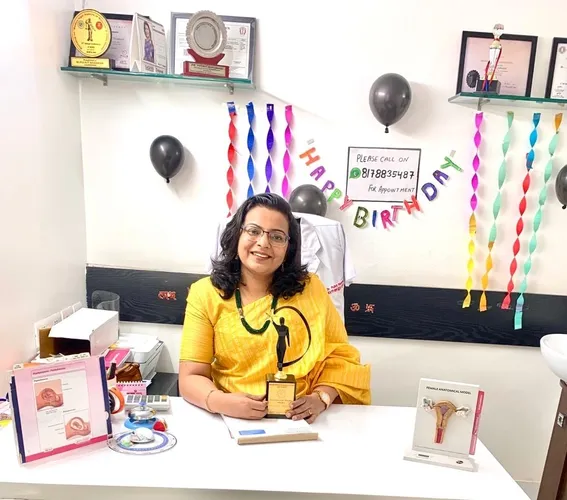
Dr. Pulkit Nandwani
Obstetrics & Gynaecology
MBBS, MD / MS – Obstetrics & Gynaecology, MRCOG(UK)
Diploma In Minimal Access Surgery & Gynaecology Endoscopy