Laparoscopic Hysterectomy in Rohini, Delhi
Advanced Keyhole Surgery for Safe & Faster Recovery
Laparoscopic Hysterectomy is a modern minimally invasive surgical procedure used to remove the uterus through small incisions using a high-definition camera and specialized surgical instruments. Compared to traditional open surgery, laparoscopic hysterectomy offers significantly less pain, minimal scarring, shorter hospital stay, and faster recovery. It is widely recommended for women with conditions such as uterine fibroids, abnormal uterine bleeding, adenomyosis, endometriosis, and certain early-stage gynecological cancers when conservative treatment is no longer effective.
At Dr. Pulkit Gynae Care, we provide personalized treatment with advanced laparoscopic techniques to ensure safe surgery and comfortable recovery for every patient.
What is Laparoscopic Hysterectomy?
A laparoscopic hysterectomy, commonly known as keyhole uterus removal surgery, is performed under general anesthesia using a laparoscope (a thin telescope with a camera). The surgeon makes a few tiny incisions in the abdomen to insert surgical instruments and safely remove the uterus. Depending on the patient’s condition, the cervix, ovaries, or fallopian tubes may also be removed if medically necessary.
Who May Need Laparoscopic Hysterectomy?
Your gynecologist may recommend laparoscopic hysterectomy if you have:
- Large or symptomatic uterine fibroids
- Heavy menstrual bleeding not responding to medication
- Adenomyosis
- Severe endometriosis
- Chronic pelvic pain
- Uterine prolapse (selected cases)
- Precancerous conditions of the uterus or cervix
- Early-stage uterine cancer (selected patients)
The decision is always made after detailed clinical evaluation and appropriate investigations.
Conditions Treated
Uterine Fibroids
Non-cancerous growths causing heavy bleeding, pelvic pain, or pressure symptoms.
Adenomyosis
A condition where the uterine lining grows into the muscle wall, causing severe pain and heavy periods.
Endometriosis
Growth of endometrial tissue outside the uterus leading to chronic pelvic pain and infertility.
Abnormal Uterine Bleeding
Persistent heavy or irregular bleeding that does not improve with medications.
Chronic Pelvic Pain
Long-standing pelvic pain caused by uterine diseases affecting quality of life.
Benefits of Laparoscopic Hysterectomy
Compared to conventional open surgery, laparoscopic hysterectomy offers several advantages:
- Smaller incisions
- Minimal blood loss
- Less postoperative pain
- Faster recovery
- Reduced risk of infection
- Shorter hospital stay
- Better cosmetic results with tiny scars
- Early return to routine activities
These advantages make laparoscopic hysterectomy the preferred surgical approach for many women when appropriate.
Types of Laparoscopic Hysterectomy
Depending on your medical condition, surgery may include:
- Total Laparoscopic Hysterectomy (TLH)
- Laparoscopic Assisted Vaginal Hysterectomy (LAVH)
- Laparoscopic Supracervical Hysterectomy
- Laparoscopic Hysterectomy with Removal of Ovaries and Fallopian Tubes (if indicated)
Your surgeon will recommend the most suitable option based on your diagnosis.
How is the Procedure Performed?
The surgery generally involves the following steps:
- Administration of general anesthesia.
- Small keyhole incisions are made in the abdomen.
- A laparoscope provides a magnified view of the pelvic organs.
- Specialized instruments are used to carefully separate the uterus.
- The uterus is removed through the vagina or in small sections.
- Tiny incisions are closed with absorbable sutures.
The procedure usually takes 1–3 hours, depending on the complexity of the condition.
Recovery After Surgery
Most patients experience quicker recovery compared to open surgery.
Typical recovery includes:
- Walking within a few hours after surgery
- Hospital discharge within 24–48 hours in many cases
- Light daily activities within 1–2 weeks
- Complete recovery in approximately 2–4 weeks for many laparoscopic procedures, though individual recovery varies and your surgeon’s advice should always be followed.
Why Choose Dr. Pulkit Gynae Care?
At Dr. Pulkit Gynae Care, we focus on:
- Advanced minimally invasive gynecological surgery
- Patient-centered treatment plans
- Thorough pre-operative evaluation
- Safe surgical protocols
- Modern operation theatre facilities
- Personalized postoperative care
- Comprehensive women’s healthcare under one roof
Our goal is to help women recover faster while ensuring the highest standards of safety and surgical excellence.
Book a Consultation
If you are experiencing heavy periods, fibroids, chronic pelvic pain, adenomyosis, or other uterine conditions, consult Dr. Pulkit Gynae Care for expert evaluation. Early diagnosis and minimally invasive treatment can help you recover faster and improve your quality of life.
Frequently asked questions about laparoscopic hysterectomy / laparoscopic surgery
Undergoing surgery is a major life event in anyone’s life. We at synergy clinic ( dr. pulkit nandwani ) understand this very well. We know that whenever surgery name is mentioned , the lady and also all the family members get very anxious and worried. This leaflet has been made just to allay all your fears and doubts
We know that you must be scared and full of doubts. Most of the times , woman is not able to voice out her concerns thinking that she may sound stupid or other people may laugh at her. Do not worry , we at synergy clinic ( under Dr. Pulkit Nandwani’s guidance)are always with you and will try our very best to allay all your fears and be there for you foreach and every small doubts of yours. Do not hesitate to voice out your concerns, however small or insignificant they may be . we will try our very best to answer them to the best of our capabilities.
Q1. Can I climb stairs after laparoscopic surgery ?
A1. Yes, you can climb stairs, starting from day of discharge . you can climb easily 2-3 flight of stairs . slight discomfort might be there which will improve after rest .
Q2. What foods should I eat after laparoscopic surgery ?
A2. If your doctor has not specifically mentioned any food to be avoided, you are usually allowed to eat all food groups ( roti, dal, rice, vegetables, milk, curd ). Only thing to remember is that food you are eating should be easily digestible as your movement will be less . also make sure that food is not excessively spicy as you might be on some medications post surgery and they will aggravate acidity and gas formation.
Q3. How much walking should I do everyday after laparoscopic surgery ?
A3. As in laparoscopic surgery we make very small tiny incisions in abdomen, there is usually no pain and recovery is very fast. Walking post operation is advisable . daily walking post meal 15-20 minutes as comfortable to you should be done. Avoid overexertion and rest in between if you feel tired .
Q4. Will I gain weight ?
A4. Per say, nobody gains weight post surgery. As excessive bleeding or pain problem gets solved, health in general starts becoming better. Also after uterus removal surgery , menopause occurs , which might lead to mild menopausal weight gain .
Q5. When can I resume yoga?
A5. 7-10 days post laparoscopic surgery you can start light yoga, especially upper and lower body stretching exercises. This depends on how comfortable you are feeling with your body .
Q6. Will my ovaries be saved ?
A6. If laparoscopic hysterectomy is done for non cancer reasons usually both ovaries are saved as ovaries supply the female hormones . discuss this with your doctor in detail about the risks and benefits of saving ovary in relation to your condition .
Q7. When is it safe to have intercourse?
A7. Usually 6 weeks is the maximum healing time required for tissues and you may resume intercourse with your partner as soon as you feel comfortable.
Q8. Will menopause start?
A8. After uterus removal surgery, your periods will definitely stop and you will not be able to become pregnant . if your ovaries are saved, you will not experience any menopausal hormonal changes for few years post surgery.
Q9. Will I age faster?
A9. No . Laparoscopic surgery will not make you age faster.
Q10. Can I have laparoscopic hysterectomy if I have had previous cesarean delivery?
A10. Yes, even after 2-3 cesarean deliveries or any other abdominal surgeries, laparoscopic hysterectomy ( uterus removal by laparoscopy) can be easily done in our centre by skilled and experienced surgeons.
Q11. Can I cook and travel by car?
A11. Yes. Cooking and travelling are allowed.
Q12. Warning signs I should know about after laparoscopic surgery?
A12. Excessive abdominal pain, bleeding from the vagina, vomiting, chakkar, ghabarahat, watery leakage from the vagina, fever > 100F— these are a few things you should definitely tell your doctor and reach the emergency room in the hospital
We have answered the questions most commonly asked by our patients in simple, easy-to-understand language to help you make an informed decision. If you still have any doubts, Dr. Pulkit Nandwani will be happy to discuss them during our consultation. Please feel free to contact the clinic by phone or WhatsApp at 8178835487 or visit us at Synergy Clinic
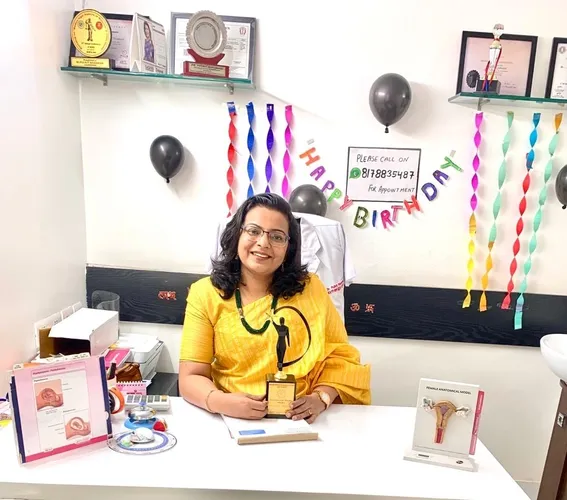
Dr. Pulkit Nandwani
Obstetrics & Gynaecology
MBBS, MD / MS – Obstetrics & Gynaecology, MRCOG(UK)
Diploma In Minimal Access Surgery & Gynaecology Endoscopy